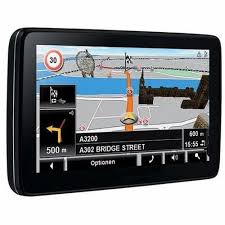

Whether you're a frequent traveler, a tech enthusiast, or just looking for reliable tools to get from point A to point B, navigation devices have come a long way from simple GPS units. In 2025, a wide array of smart, specialized, and highly accurate navigation devices are available for every kind of user. This comprehensive guide breaks down the best devices in various categories, compares their features, and helps you choose the right one for your needs.
1. What to Look for in a Navigation Device
Before diving into product picks, understand the key features:
- Accuracy: Modern GPS devices offer 1–3 meter accuracy with multi-satellite support (GPS, GLONASS, Galileo)
- Screen size and readability: Outdoor visibility, touch responsiveness, and anti-glare coating
- Battery life: Essential for hiking and long road trips
- Durability: Waterproofing, shock resistance, and temperature tolerance
- Additional features: Voice control, live traffic updates, integration with smartphones and wearables, offline map access
2. Best Navigation Devices for Drivers
- Garmin DriveSmart 76
- 7" display, real-time traffic updates, voice assistant
- Smart notifications, live parking info
- TomTom GO Discover
- Superfast processing, large maps database
- Built-in Wi-Fi for updates, live speed camera alerts
- Rand McNally TND Tablet 85
- Ideal for truckers: customized routing, road warnings, dashcam integration
3. Best Navigation Devices for Cyclists and Runners
- Garmin Edge 1040 Solar
- Solar charging, advanced performance metrics, and route planning
- Wahoo ELEMNT Roam V2
- Clear color display, dynamic re-routing, and easy smartphone syncing
- COROS Vertix 2 GPS Adventure Watch
- Multi-GNSS support, fitness tracking, offline maps, 60+ day battery life
4. Best for Hikers and Outdoor Adventurers
- Garmin GPSMAP 67i
- Satellite communication, topographic maps, waterproof
- Suunto Vertical Titanium Solar
- Altimeter, barometer, compass (ABC), 85+ sports modes, solar powered
- Avenza Maps App with Rugged Smartphone
- Use offline maps on a durable phone (like CAT S75 or Doogee S100)
5. Best for Marine Use
- Simrad NSS evo3S
- Chartplotter with sonar, radar integration, touch and keypad control
- Garmin GPSMAP 943xsv
- Preloaded BlueChart g3, radar compatibility, vivid color display
- Raymarine Axiom+ 9
- High-performance quad-core processor, RealVision 3D sonar
6. Best for Aviation
- Garmin aera 760
- Aviation database, sunlight-readable touchscreen, wireless connectivity
- ForeFlight App + iPad Pro
- Flight planning, charts, weather, and backup navigation all-in-one
- uAvionix AV-30-C Panel Display
- Combines GPS with attitude and heading reference system (AHRS)
7. Best Smart Navigation Devices for Everyday Use
- Apple Watch Ultra 2
- Dual-frequency GPS, hiking and cycling support, top-tier health tracking
- Google Pixel Watch 2
- Turn-by-turn navigation via Google Maps, sleek and compact
- Samsung Galaxy Watch6 Classic
- Outdoor route planning, real-time coaching, GPS + GLONASS
8. Specialized Navigation for Visually Impaired Users
- WeWalk Smart Cane
- Integrated navigation with obstacle detection, voice assistant support
- Aira Smart Glasses
- Connects users with trained agents for live GPS-based guidance
- Dot Watch 2
- Braille smartwatch with location alerts
9. Indoor Navigation Technologies
- Cisco DNA Spaces (enterprise)
- Wi-Fi-based indoor positioning for hospitals, airports, and malls
- Navigine SDK
- Developers build indoor maps for apps using Bluetooth and beacons
- Mapsted Navigation Platform
- Offline indoor navigation with AI-assisted routing
10. Choosing the Right Device for Your Needs
Ask yourself:
- Do I need something rugged for outdoor use?
- Do I want real-time updates, or will offline maps suffice?
- Am I using it while driving, biking, boating, or flying?
- Should it pair with other devices like smartphones or smartwatches?
Creating a profile of your needs helps narrow the choices.
11. Budget Considerations
There are excellent options at every price point:
- Under $200: Entry-level Garmins, smartwatches, or navigation apps
- $200–$500: Mid-tier car and outdoor devices with solid features
- $500+: Premium aviation/marine units, professional sports models
12. Software and Updates
Reliable navigation depends on up-to-date software:
- Look for devices with lifetime map updates
- Cloud syncing for saving routes and settings
- Frequent firmware updates improve performance and fix bugs
13. Final Tips
- Always keep your device charged and updated
- Download offline maps before remote travel
- Use a backup (paper map or secondary app) when exploring
Conclusion: Navigate with Confidence
The best navigation device in 2025 is the one tailored to your specific lifestyle. Whether it’s for sailing across oceans, trekking remote trails, or commuting through city traffic, there's a modern navigation solution ready for you. With this guide, you're equipped to make an informed, future-ready choice.
Stay tuned for the next article, where we explore how AI, autonomous systems, and predictive algorithms are redefining the future of navigation.